Optimal Timing for Windows Installations
Scheduling Windows installations at the right time can enhance performance and minimize disruptions. Understanding seasonal and operational factors helps determine the most suitable periods for upgrading or installing Windows systems.
Late fall and early winter often see lower demand for IT services, making them ideal for Windows installations without impacting business operations.
Implementing Windows upgrades before busy periods, such as holiday seasons, ensures systems are optimized ahead of increased activity.
Utilizing planned maintenance windows minimizes downtime and allows for thorough testing post-installation.
Aligning Windows installations with hardware upgrades ensures compatibility and performance improvements.

Technicians performing a Windows setup in a professional environment.

Installing Windows on enterprise servers for optimal performance.

Configuring Windows on office desktops for new users.

Support staff assisting with Windows upgrades.

Backing up data prior to Windows installation.

Verifying Windows system functionality after setup.

Assessing hardware before Windows installation.

Staff learning to navigate new Windows features.

Planning Windows upgrades for enterprise systems.
| Best Time for Windows Installations | Reason |
|---|---|
| Late Fall | Lower operational demand reduces downtime impact. |
| Pre-Holiday Season | Prepares systems before increased activity. |
| Scheduled Maintenance Windows | Minimizes business disruption. |
| Hardware Upgrade Periods | Ensures compatibility and performance. |
| When Support Staff Are Fully Available | Facilitates smooth installation and troubleshooting. |
| Post-Equipment Replacement | Optimizes new hardware with fresh installations. |
| Before Major Software Deployments | Prepares environment for upcoming updates. |

Strategic planning for Windows system updates.

Collaborative efforts for seamless Windows installations.
Creating backups before system upgrades.

Technicians installing Windows on a server.

Configuring system settings after installation.
Training staff on new Windows features.
Verifying system stability after installation.

Addressing post-installation issues.
Windows installations are a critical aspect of maintaining secure and efficient computer systems. Proper timing ensures minimal disruption and maximizes system performance. Upgrading during periods of low activity or scheduled maintenance can help organizations avoid productivity loss. Additionally, aligning installations with hardware upgrades or support availability contributes to smoother transitions and reduces potential technical issues.
Statistics indicate that a well-timed Windows installation can reduce downtime by up to 30 percent and improve system stability. Planning ahead and choosing optimal times also allows for thorough testing and staff training, ensuring a seamless transition to new systems. Regular updates and strategic scheduling are vital components of effective IT management.

Diagram illustrating the Windows installation process.
Support technician assisting during installation.

Planning session for Windows upgrades.

Reviewing system performance after installation.

Popular materials for Windows Installations and why they hold up over time.

Simple add-ons that improve Windows Installations without blowing the budget.

High-end options that actually feel worth it for Windows Installations.
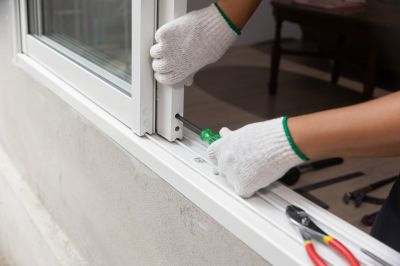
Finishes and colors that play nicely with Windows Installations.
Interested in scheduling a Windows installation? Filling out the contact form can provide further guidance on the best timing for specific organizational needs. Proper planning and execution ensure systems operate efficiently and securely, supporting ongoing productivity and growth.